

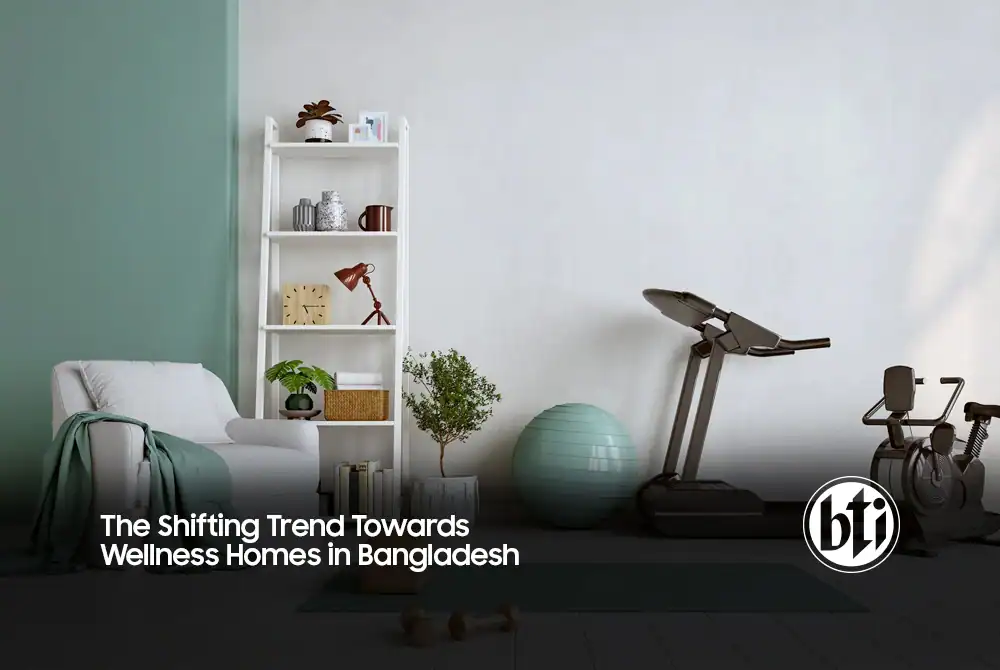
In recent years, the concept of a home or a residence has evolved beyond four walls and a roof. As lifestyles transform and awareness around health increases, the idea of wellness homes — spaces designed to promote physical comfort, mental peace, and overall well-being — is gaining remarkable traction in Bangladesh. bti is the first Bangladeshi real estate developer to have brought Wellness Communities around the time of COVID 19. Eventually, other developers also started catching up to the trend, whereupon condominiums & gated communities started sprouting up in areas all across Dhaka & Chattogram.
This shift shows us a design trend as well as a transformation in how people think about living environments, particularly in urban centers like Dhaka and Chattogram, where fast-paced life and environmental stressors are reshaping priorities.
Wellness homes are residential spaces consciously designed to support the health and wellbeing of their residents. These homes combine architectural planning, material selection, natural elements, and technology to cultivate environments that nurture mind, body and soul.
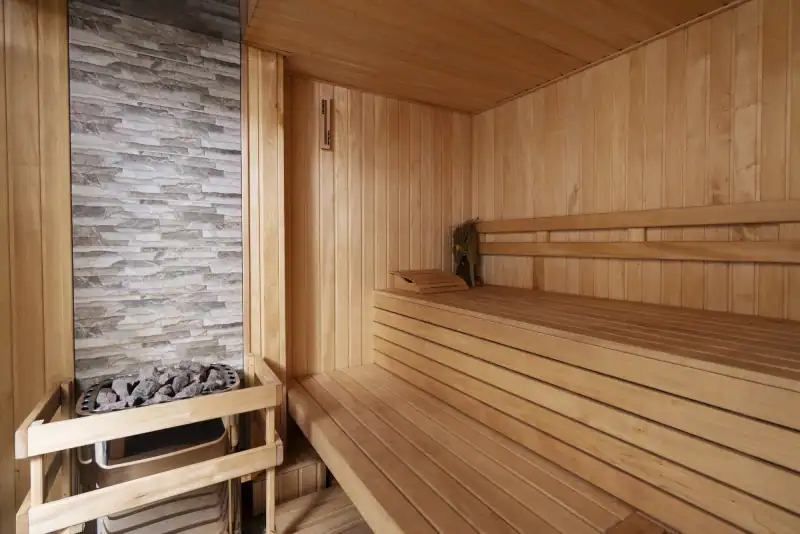
A wellness home will usually include the following components:
- Improved indoor air quality
- Natural light and cross-ventilation
- Comfortable temperatures year-round
- Elements inspired by nature
- Healthy materials and finishes
- Functional layouts for movement and mindfulness
A wellness home is designed to improve people’s quality of life and encourage movement. We all know that Bangladesh, with its vibrant culture and dense urban population, faces unique environmental and lifestyle challenges. Cities like Dhaka consistently rank among the world’s most air-polluted metropolitan areas — a reality that has a direct impact on our health and wellbeing. Clean air, access to daylight, and stress-reducing spaces are necessities here.
1. Urban Stress and Health Awareness
Urban living in Bangladesh can be both stimulating and stressful. Long commutes, high noise levels, and limited open space contribute to physical and mental fatigue. Amid this backdrop, homeowners and developers alike are seeking residential solutions that provide a balance to stress while simultaneously improving health.
2. Climate and Comfort
Bangladesh’s tropical climate emphasizes the need for homes that optimize cross-ventilation and temperature control throughout the year. Wellness homes prioritize passive design strategies such as cross-ventilation, shaded outdoor areas, and thoughtful orientation to lower heat and humidity naturally.
3. Rising Health Consciousness
Post-pandemic perspectives on health have also led residents to rethink their living environments. Nowadays, people increasingly value spaces that support immune health, psychological well-being, and active lifestyles — whether through indoor-outdoor connectivity, dedicated wellness zones, or sustainable material choices.
The trend toward wellness homes in Bangladesh draws inspiration from global design philosophies like WELL Building Standards and biophilic design, adapting them to local culture, climate, and availability of materials.
4. Natural Light and Ventilation
When you have ample daylight, it reduces dependency on artificial energy & enhances mood and productivity. Well-placed windows, skylights, and ventilation corridors can help homes feel open and airy — a welcome sanctuary from crowded urban life.
5. Indoor Air Quality
In a country like Bangladesh, where air pollution is a major concern, healthy homes increasingly combine air-cleaning elements: from indoor plants and low-VOC (volatile organic compound) finishes to advanced filtration systems that maintain cleaner air indoors.
6. Biophilic/ Naturalistic Design
Nature has a calming, restorative influence on us. Incorporating greenery through widespread use of indoor plants, vertical gardens, courtyard spaces, and terrace gardens can help bring nature into daily life. This not only improves air quality, but also nurtures emotional wellness.
7. Overall Comfort
Wellness homes use smart layout planning, insulation, and design features that minimize heat gain and noise interruptions. Quiet, cool spaces encourage better sleep and peaceful family interaction.
8. Functional & Flexible Spaces
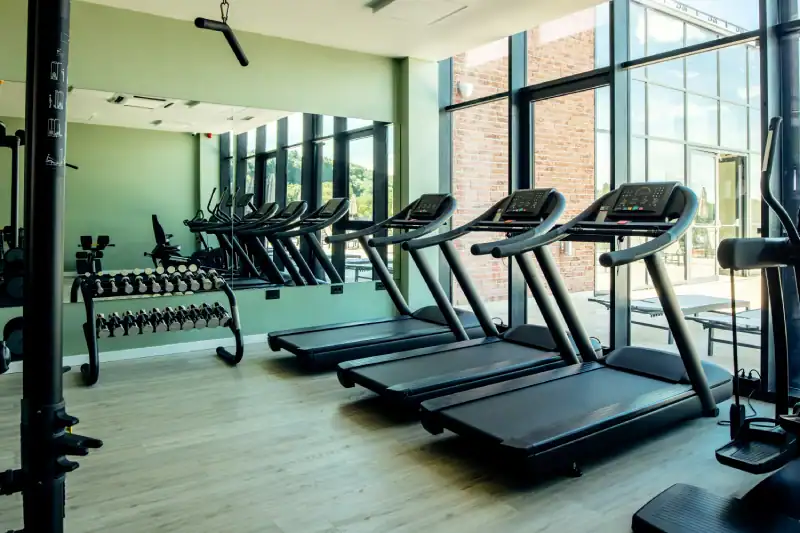
Wellness homes accommodate movement, mindfulness, and relaxation. A dedicated gymnasium, yoga space, or meet and greet lounge & community space are all thoughtful layouts that support a variety of daily routines.
Developers are responding to market demand for wellness-oriented housing. From premium condominiums to thoughtfully planned gated communities, wellness amenities — such as green courtyards, walking tracks, fitness studios, and air-purified common areas — are becoming unique selling points for many real estate developers.
Buyers also now recognize that wellness homes hold long-term value. Properties prioritizing comfort, sustainability, and health often command stronger market interest and tenant satisfaction. Despite growing interest, widespread adoption of wellness homes in Bangladesh faces challenges such as higher initial costs, limited awareness, and constraints in denser urban areas. However, designers and developers are innovating with cost-effective solutions that are on the path towards accessibility instead of exclusivity.
Educational outreach, design collaborations, and government policies that incentivize healthy building practices can further accelerate this movement.
In a rapidly developing country like Bangladesh, the shift toward wellness homes reflects an overall cultural evolution. Homeowners nowadays seek spaces that shelter while nurturing at the same time.
As awareness continues to grow, wellness homes will likely become a lasting part of Bangladesh’s architectural identity — shaping healthier, happier lifestyles for future generations to come.